
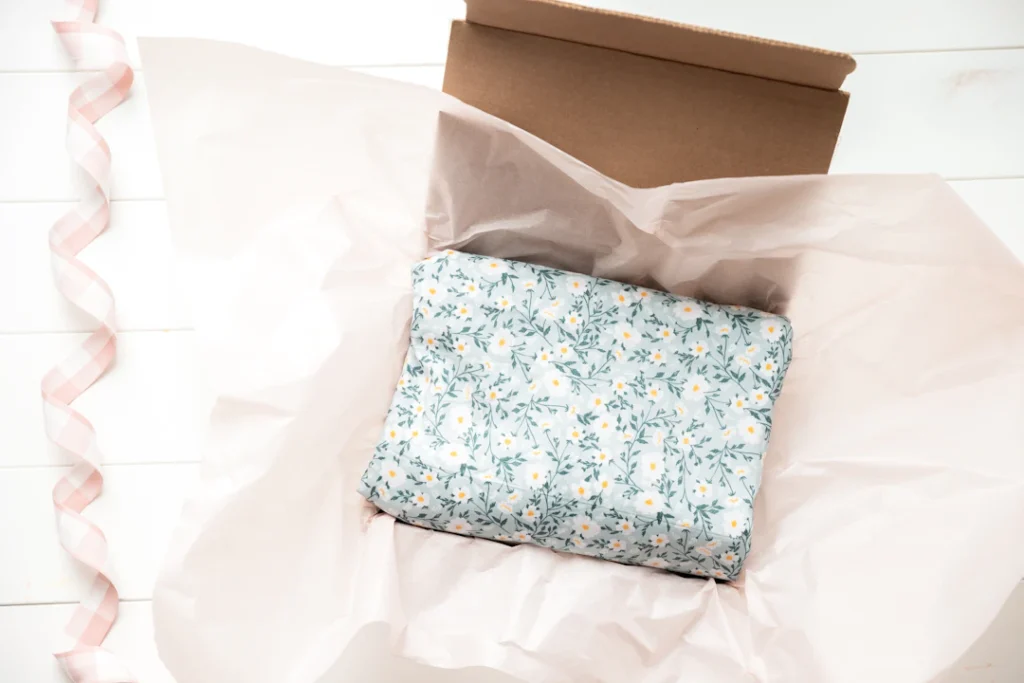
Essential Guide to Safely Pack Your Fragile Items During a Move
Moving home can be stressful enough without worrying about broken plates, cracked mirrors, or smashed glassware. Properly packing fragile items is one of the most important steps in protecting your belongings during a move. With the right materials, smart techniques, and a little patience, you can make sure your valuables arrive safely at your new home.
This comprehensive guide covers everything from choosing the right packing supplies to labelling boxes clearly, avoiding common mistakes, and unpacking with care. Whether you’re moving across Eastbourne or relocating further afield, these practical tips will help you pack with confidence.
1. Gather the Right Packing Supplies
Before you touch a single fragile item, make sure you have the correct materials. High-quality packing supplies make a significant difference in protecting your belongings during transport. Gather:
- Sturdy boxes in various sizes
- Bubble wrap for cushioning
- Packing paper to fill empty spaces
- Foam peanuts or biodegradable alternatives
- Strong packing tape
- Permanent markers for labelling boxes
Choose double-walled boxes for heavier or particularly delicate items. Reinforce the bottom of each box with multiple layers of tape for extra strength.
2. Prepare Your Fragile Items for Packing
Preparation is key. Taking a few extra minutes at this stage can prevent breakages later on. Here’s how:
- Clean each item: Dust, dirt, or grease can scratch surfaces during transit.
- Inspect for existing damage: Knowing the current condition helps with insurance claims if anything goes wrong.
- Remove detachable parts: Separate lampshades, glass panels, or lids and wrap them individually.
If you have valuable antiques, artwork, or heirlooms, consider professional packing services from a trusted Eastbourne removals company to ensure maximum protection.
3. Use Proper Packing Techniques
3.1 Wrap Each Item Individually
Wrap each fragile item in bubble wrap or packing paper, making sure all edges and corners are covered. Secure the wrapping with tape to stop it unravelling. For extra protection, add a second layer for items like glassware or ceramics.
3.2 Fill the Box Wisely
Start with a cushioning layer at the bottom of the box. Place heavier items first, keeping them upright where possible. Fill gaps with crumpled paper or foam peanuts to prevent shifting. The goal is to create a snug, stable fit with no movement inside the box.
3.3 Stack Strategically
Place heavier items at the bottom and lighter items on top. Avoid overpacking, as this can cause boxes to bulge and collapse. Don’t mix extremely fragile items (like fine china) with heavy ones in the same box.
4. Label Your Boxes Clearly
Clear labelling is essential. Use large, bold writing and phrases like “FRAGILE – HANDLE WITH CARE” or “THIS SIDE UP”. Be specific—labels like “Kitchen – Glassware” are much more useful than vague ones like “Miscellaneous.” Mark multiple sides of the box so movers can see the labels from any angle.
5. Consider Your Transportation Options
How your items are transported matters just as much as how they’re packed. If you’re handling the move yourself, ensure boxes are secured in the vehicle to prevent sliding. If you’re using a professional removals company, let them know which boxes contain fragile items so they can load and secure them appropriately.
- Choose a reputable removals company that offers insurance for fragile goods.
- Take an inventory of all fragile boxes before they’re loaded.
- Give clear handling instructions to the movers for valuable or delicate items.
6. Unpacking and Setting Up Fragile Items
6.1 Create a Designated Unpacking Area
Choose a clean, clear area where you can unpack fragile items without tripping hazards or distractions. A spare room or a quiet corner works well.
6.2 Inspect Each Item
As you unpack, inspect every item for damage. Use your pre-move inventory to verify everything has arrived safely. If there’s damage, document it immediately for insurance or claims.
6.3 Place Items Wisely
When arranging fragile items in your new home, choose secure locations away from busy walkways or pets. Display glassware and collectibles in cabinets or shelves where they’re both protected and visible.
7. Alternative Packing Solutions for Different Fragile Items
7.1 Electronics
If you still have the original packaging, use it. Wrap each component separately and label wires and cables clearly. Keep accessories together in labelled bags.
7.2 Antiques
Antiques often need special treatment. Wrap them in acid-free paper, avoid stacking, and use custom-fitted crates for valuable pieces. Consider professional packing for high-value items.
7.3 Glassware
Wrap each glass individually in bubble wrap and pack them vertically rather than horizontally to reduce pressure on stems and rims. Use dividers if available.
8. Eco-Friendly Packing Options
Protecting your belongings doesn’t have to harm the environment. Try these sustainable alternatives:
- Use recycled or second-hand boxes from friends or local shops.
- Swap plastic bubble wrap for biodegradable options or recycled paper.
- Use towels, blankets, or clothes as padding for some items.
- Invest in reusable plastic crates or padded moving blankets.
9. Common Mistakes to Avoid
- Overpacking: Boxes that are too full are difficult to lift and more likely to crush contents.
- Using weak boxes: Old or flimsy boxes can collapse under weight.
- Skipping labels: Unmarked fragile boxes can be mishandled.
- Packing heavy and delicate items together: Always separate by weight and fragility.
A Bright New Beginning Awaits
With careful preparation, the right materials, and proper packing techniques, your fragile items can travel safely to your new home. Moving doesn’t have to be chaotic—by taking a thoughtful approach, you can protect the belongings that matter most. Whether you’re doing it yourself or hiring a professional removals team, these strategies will give you peace of mind on moving day.