
Choose the level of help
You may need support with fragile belongings, one room or a larger part of your home. Describe what should be packed and whether unpacking is also required.
Flag special handling
Mention mirrors, glass, artwork and unusually valuable, heavy or awkward items before agreeing the work. Ask what requires specialist handling and what cover applies.
Packing your own belongings
Use strong boxes, put heavier items in smaller boxes and cushion delicate pieces individually. Label the top and sides with the destination room.
Get the scope in writing
Your quotation should identify rooms and items included, materials supplied, timing and exclusions. Keep keys, personal documents and medication with you.
Materials and labelling
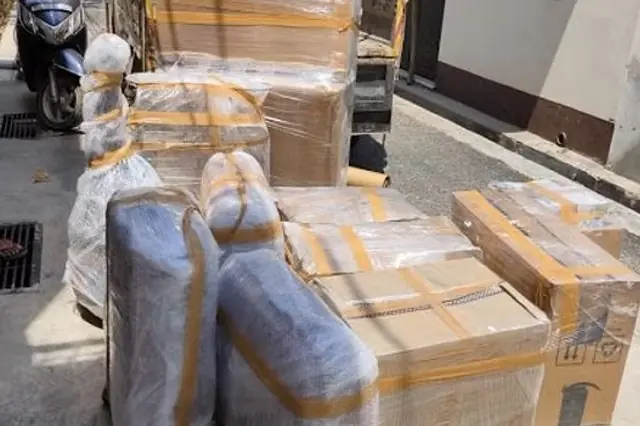
Different belongings need different protection. Books suit smaller strong boxes, clothing may use wardrobe cartons, and glass or ceramics need individual wrapping with empty space filled. Clear room labels help unloading, while a short contents note makes essentials easier to find without opening every box.
What unpacking can include
Unpacking support should be agreed rather than assumed. Ask whether it covers placing boxed contents onto clear surfaces, removing used packing materials or reassembling agreed furniture. Prepare cupboards and surfaces before the team arrives, and keep decisions about final organisation with you.
Prepare before the packing visit
Decide what will move, what will stay and what must remain available until the last day. Dispose of unwanted items lawfully rather than presenting them as part of the moving inventory. Clear surfaces where possible and group similar belongings together. Make confidential documents, medication, jewellery, cash, keys and items travelling with you easy to identify and keep them separate. If cupboards or lofts are included, state that clearly so their contents are not missed when materials and time are planned.
Protect fragile and unusual belongings
Point out mirrors, artwork, glass, ceramics, musical items and anything with sentimental or unusual value. Original packaging may be useful for some electronics, but only if it is complete and still suitable. Do not assume standard packing materials are appropriate for specialist collections or regulated items. Ask what can be handled within the service and arrange a specialist where necessary. Photographing the condition of selected belongings and keeping a simple inventory can help you stay organised throughout the move.
Use a consistent labelling system
Choose destination room names before packing and use the same wording on every box and on signs at the new property. Add a short contents note without advertising valuables. Numbering boxes can make an inventory easier to check. Mark essentials separately and identify boxes that should be opened first. Good labels support both loading and unloading: they reduce unnecessary handling, help keep related belongings together and make it easier for you to find important items while the rest of the property is still being organised.
Confirm materials, timing and exclusions
The written quotation should state which rooms or belongings are included, who supplies materials, when packing takes place and what unpacking or furniture preparation has been agreed. Ask about items that cannot be packed and how unused or used materials will be handled. If the quantity of belongings grows or additional rooms are added, update Saints before the appointment. A packing service can only be planned accurately when the scope reflects what is actually waiting at the property.